The Evolution of the Virtual Aquarium: Analyzing Aqua Vita The release of Aqua Vita (known as Aquatopia in North America) on the PlayStation Network (PSN) in 2007 represented a unique moment in digital media where the line between gaming and home decor blurred. Rather than a traditional game with objectives or win states, Aqua Vita served as an interactive "living art" installation designed for the PlayStation 3. By leveraging the then-new PlayStation Eye camera, the software transformed standard television sets into high-definition virtual aquariums that responded to the physical presence of the viewer. Technology and Interaction
Aqua Vita stands as a pioneer of the "ambient gaming" genre on the PlayStation Network. It demonstrated how console hardware could be used for more than just competitive play, turning the living room into a serene underwater haven. Though it has largely been superseded by more complex titles and modern smart-TV wallpapers, its early use of motion tracking to create a reactive environmental experience remains a notable milestone in Sony’s experimental software history. Aqua Vita PSN
While critics initially described the experience as "slightly pointless" due to its lack of traditional challenges, many noted it was "strangely addictive". It occupied a niche as an aesthetically pleasing distraction—a high-end digital fish tank that required no maintenance, glass boxes, or actual food. Over time, the "Aqua" brand became associated with more traditional gaming experiences on PlayStation platforms, such as the critically acclaimed retro-style shooter Aqua Kitty: Milk Mine Defender and its successor Astro Aqua Kitty on the PS Vita. Conclusion The Evolution of the Virtual Aquarium: Analyzing Aqua
The defining feature of Aqua Vita was its integration with the PlayStation Eye. Unlike typical screensavers, the application was motion-sensitive; users could "touch" the surface of the water by waving their hands in front of the camera, creating visible ripples that the digital fish would react to. This tactile dimension extended to "feeding" the marine life by rubbing fingers together, which triggered a flurry of activity as the fish rushed for virtual food. It supported seven different species of fish, including clownfish and lionfish, all rendered with a focus on peaceful, hypnotic movement rather than high-stakes gameplay. Reception and Legacy Technology and Interaction Aqua Vita stands as a
| Current | USB: normal 30 mA; Suspend mode 300 uA RS-232: Quiescent 1-2 mA typical (continuous), transmitting 8-9 typical (5ms duration), peak at power on 12 mA |
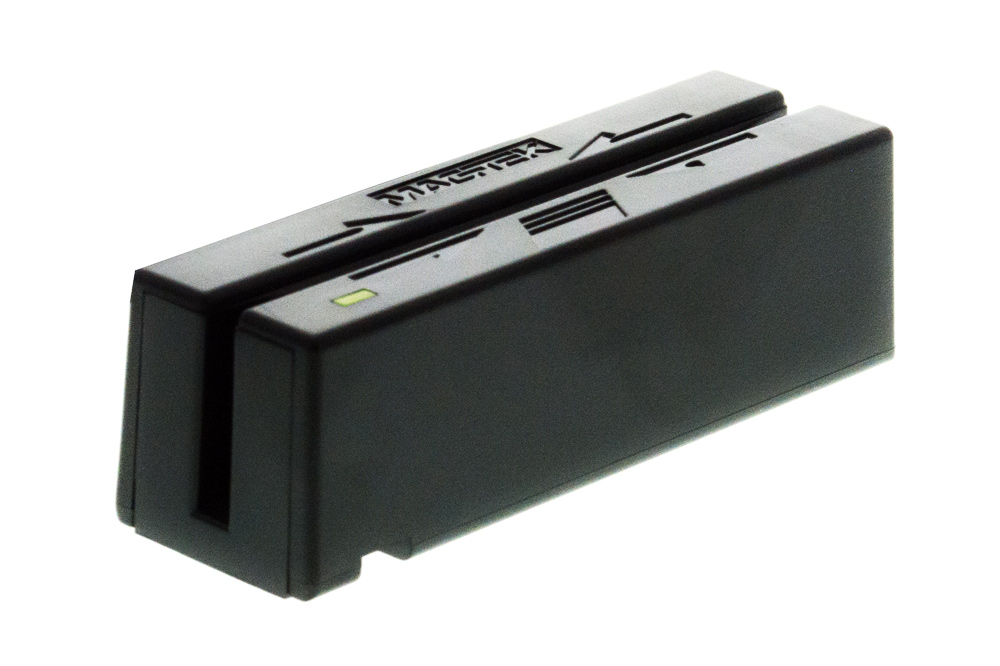
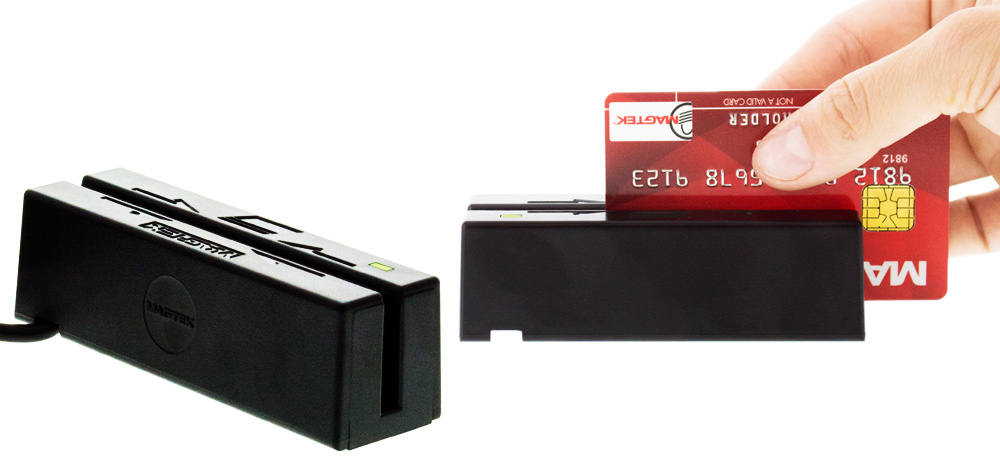
| USB & RS-232 Size |
Length: 3.94” (100.0mm) Width: 1.28” (32.5mm) Height: 1.23” (31.3mm) |
| USB & RS-232 Weight |
Weight: 4.5 oz. (127.57 g) |
| TTL 100 mm Size |
Length: 3.94" (100 mm) Height: 1.23" (31.3mm) Width: 1.28" (32.5mm) |
| TTL 101 mm Size |
Length: 4.0" (101.6 mm) Height: 1.08" (27.4 mm) Width: 1.62" (41.1 mm) |
| Temperature | |
| Operating | -30 °C to 70 °C (-22 °F to 158 °F) |
| Storage | -40 °C to 70 °C (-40 °F to 158 °F) |
| Humdity | |
| Operating | 10% to 90% noncondensing |
| Storage | 10% to 90% noncondensing |
| Altitude | |
| Operating | 0-10,000 ft. (0-3048 m.) |
| Storage | 0-50,000 ft. (0-15240 m.) |