Beyond the players, fans flock to throwbacks for the bold, often experimental designs of the past. The 1990s, in particular, were a "Wild West" of sports aesthetics—think of the Toronto Raptors’ "Purple Dino," the Denver Nuggets’ "Rainbow Skyline," or the teal-and-pink "South Beach" vibes of the old Miami Heat. These designs offer a level of character and vibrant color that modern, streamlined branding often lacks. In the realm of streetwear, these jerseys are prized as statement pieces that pair perfectly with vintage denim or high-end sneakers. Quality and Authenticity
Companies like Mitchell & Ness specialize in "Hardwood Classics" or "Cooperstown Collection" jerseys. These are crafted using the exact materials, stitching, and cuts used during the original era. buy throwback jerseys
The primary driver for purchasing a throwback jersey is the connection to a specific era. For a Chicago Bulls fan, a modern Zach LaVine jersey represents the current season, but a 1996 Michael Jordan pinstripe jersey represents an era of unparalleled dominance. Throwbacks allow fans to celebrate the legends who defined their love for the game. There is a certain "safety" in buying a throwback; while a current player might be traded or underperform tomorrow, the legacy of a retired icon is set in stone. A Jackie Robinson or Jerry Rice jersey will never go out of style. Aesthetics and Design Evolution Beyond the players, fans flock to throwbacks for
These offer the look of a throwback but use modern, lightweight fabrics. They are more affordable and often more comfortable for everyday wear. In the realm of streetwear, these jerseys are
Ultimately, buying a throwback jersey is about identity. It signals that you aren't just a "fair-weather" fan, but a student of the game who respects its roots. Whether you’re wearing a 1980s "Miracle on Ice" hockey sweater or a 1970s Brazilian soccer kit, you are carrying a piece of sports culture forward. In a fast-paced world, the throwback jersey is a reminder that some things are truly timeless.
These are original jerseys manufactured during the actual years the team wore them. Sourcing these requires scouring sites like eBay or Grailed, and they are often treated as high-value collectibles. The Collector’s Mindset
When entering the market for throwbacks, buyers usually encounter three main categories:
Beyond the players, fans flock to throwbacks for the bold, often experimental designs of the past. The 1990s, in particular, were a "Wild West" of sports aesthetics—think of the Toronto Raptors’ "Purple Dino," the Denver Nuggets’ "Rainbow Skyline," or the teal-and-pink "South Beach" vibes of the old Miami Heat. These designs offer a level of character and vibrant color that modern, streamlined branding often lacks. In the realm of streetwear, these jerseys are prized as statement pieces that pair perfectly with vintage denim or high-end sneakers. Quality and Authenticity
Companies like Mitchell & Ness specialize in "Hardwood Classics" or "Cooperstown Collection" jerseys. These are crafted using the exact materials, stitching, and cuts used during the original era.
The primary driver for purchasing a throwback jersey is the connection to a specific era. For a Chicago Bulls fan, a modern Zach LaVine jersey represents the current season, but a 1996 Michael Jordan pinstripe jersey represents an era of unparalleled dominance. Throwbacks allow fans to celebrate the legends who defined their love for the game. There is a certain "safety" in buying a throwback; while a current player might be traded or underperform tomorrow, the legacy of a retired icon is set in stone. A Jackie Robinson or Jerry Rice jersey will never go out of style. Aesthetics and Design Evolution
These offer the look of a throwback but use modern, lightweight fabrics. They are more affordable and often more comfortable for everyday wear.
Ultimately, buying a throwback jersey is about identity. It signals that you aren't just a "fair-weather" fan, but a student of the game who respects its roots. Whether you’re wearing a 1980s "Miracle on Ice" hockey sweater or a 1970s Brazilian soccer kit, you are carrying a piece of sports culture forward. In a fast-paced world, the throwback jersey is a reminder that some things are truly timeless.
These are original jerseys manufactured during the actual years the team wore them. Sourcing these requires scouring sites like eBay or Grailed, and they are often treated as high-value collectibles. The Collector’s Mindset
When entering the market for throwbacks, buyers usually encounter three main categories:
Wow Mani (TV Series) 2025
| : | Get ready to laugh, blush, and maybe sweat a little with the ultimate sexy comedy gag show packed with steamy skits and segments, ... | ||
|---|---|---|---|
| Genres | : | Series | Comedy | Erotic | |
| Play | : | WATCH NOW |
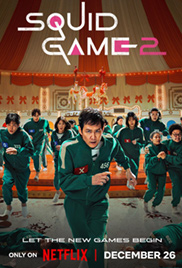
Squid Game 2 2024
| : | Three years after winning Squid Game, Player 456 gave up going to the states and comes back with a new resolution in his mind. Gi-hun once again dives into... | ||
|---|---|---|---|
| Genres | : | Action | Adventure | Drama | |
| Play | : | WATCH NOW |




© 2026 — Golden Matrix