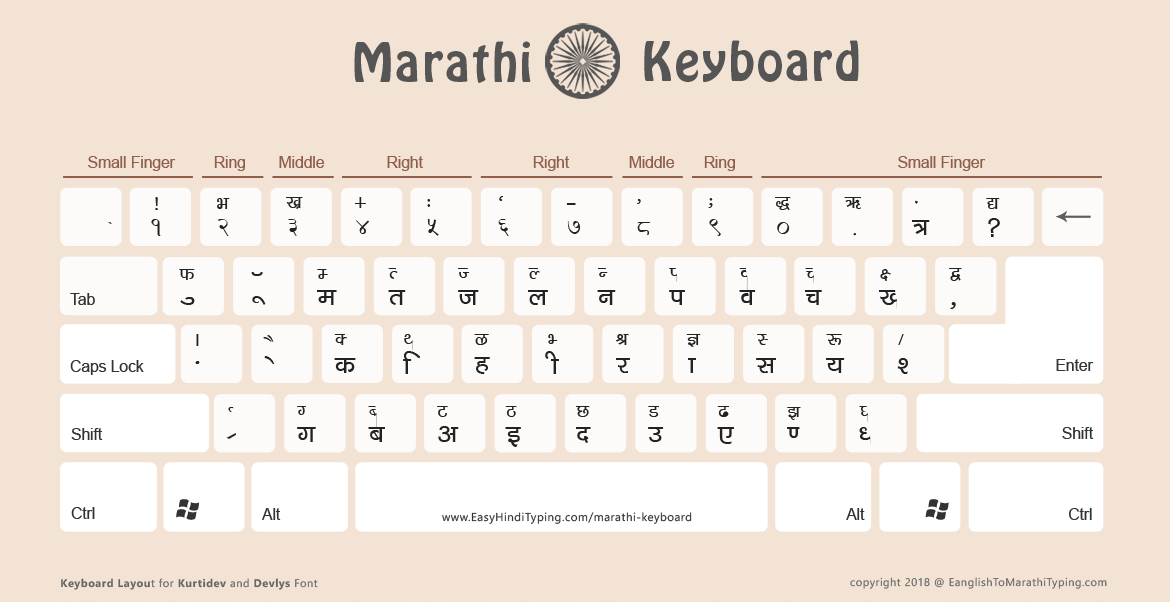
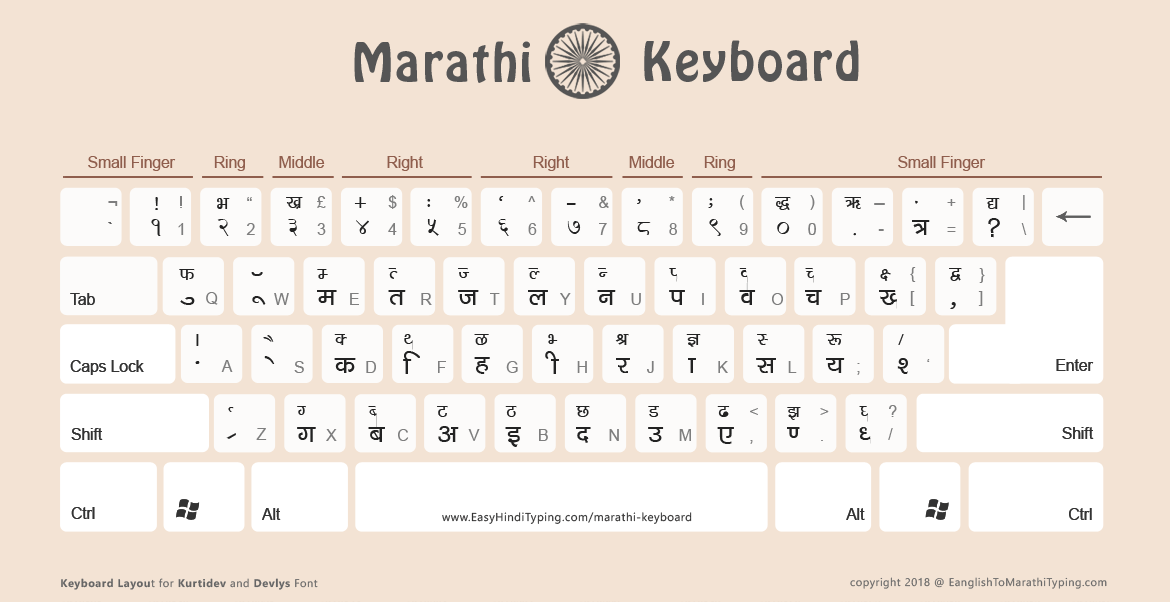
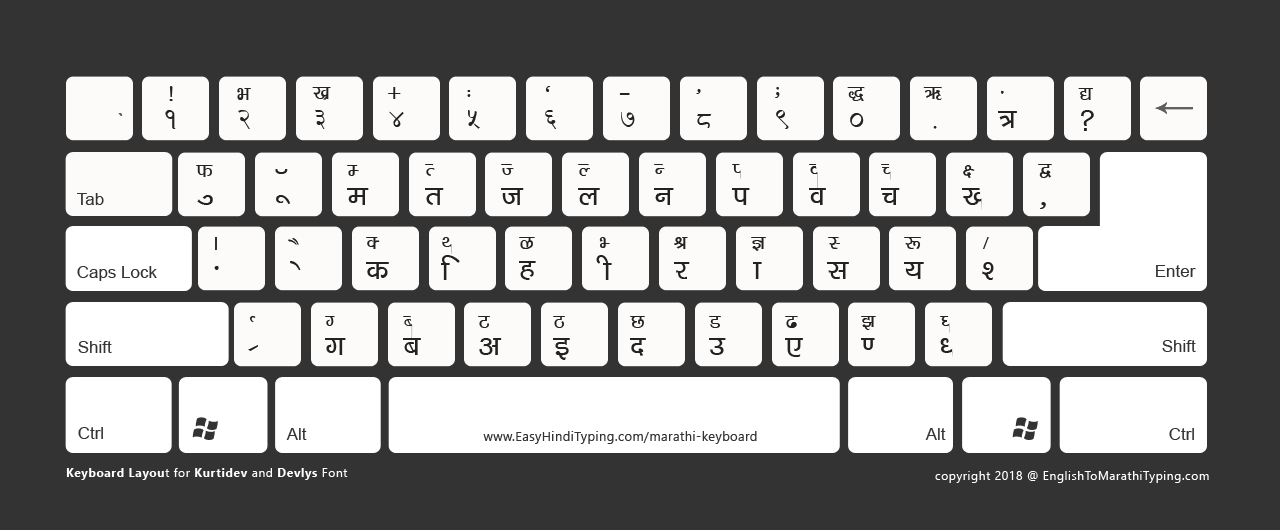
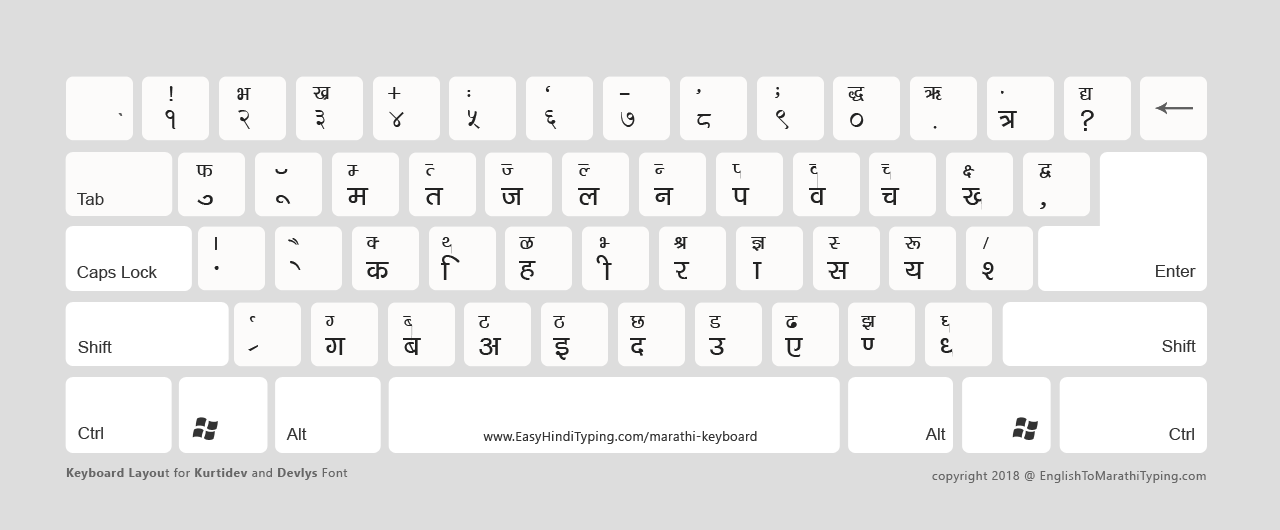
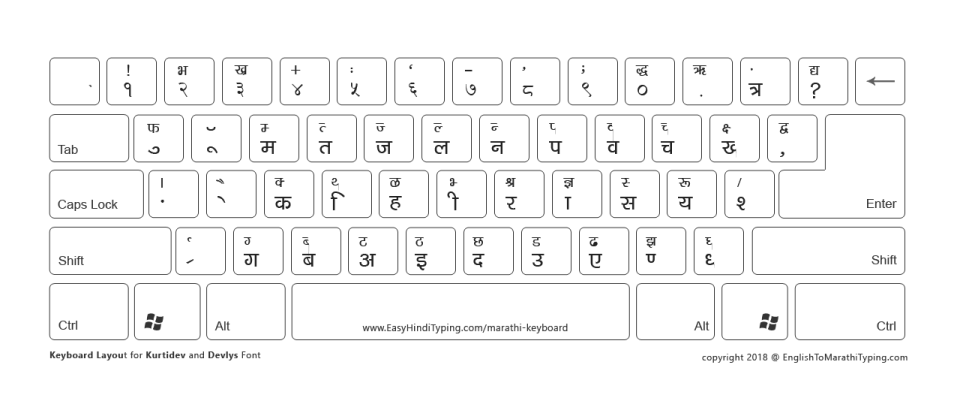
1. Remington (Typewriter) Marathi Keyboard for Kurti Dev and DevLys Fonts
Click this link to view all special characters not available on the keyboard layout above.
Elementary Korean, Second Edition is not a "fun" weekend read, but it is an incredibly effective tool for serious students. It treats the learner like a linguist. It demands that you master Hangeul (the alphabet) immediately and moves away from Romanization quickly, which is the only way to truly become literate in Korean.
This textbook is often the "gold standard" for university-level Korean studies in the West. If you are diving into it, you’re looking at a rigorous, grammar-heavy foundation that prioritizes structural accuracy over "survival phrase" learning.
This makes the "essay" of the book feel like a slow climb up a steep mountain. You won't just learn how to say "Where is the bathroom?" You will learn the locative particle (-에), the existence verb (있다), and the polite-formal sentence ending (-(스)ㅂ니다). By the time you finish, you don’t just know phrases; you understand the skeletal structure of the Korean language. The Content: Complexity and Context
Here is an analysis of the experience of using Elementary Korean, Second Edition (by Ross King and Jaehoon Yeon). The Philosophy: Grammar-First
The second edition made significant strides in updating the vocabulary and dialogues to feel more natural, though it still feels rooted in a classroom setting. The book follows a group of students, which provides a cohesive narrative but can sometimes feel a bit dry if you aren't a college student yourself.
Unlike many modern apps (like Duolingo or Lingodeer) that focus on inductive learning through repetition, Elementary Korean is unapologetically academic. It operates on the belief that if you understand the "math" behind the language—how particles attach to nouns and how verb stems are conjugated—you can eventually build any sentence you want.
 Sambhu Raj Singh ·