The filename "IMG_1155" follows a rigid, linear logic established by the Design Rule for Camera File System (DCF). It is a placeholder, a digital "John Doe" assigned by an algorithm that cares nothing for the content of the frame. Whether the file contains a child’s first steps, a breathtaking sunset over the Pacific, or an accidental pocket-recording of a sidewalk, the operating system treats them with equal indifference. This anonymity creates a digital "lost and found" where thousands of people globally may have a file with the exact same name, yet each contains a radically different slice of human experience. The Burden of the Infinite
Ultimately, is a testament to the way we live now: documented, serialized, and stored in a format that is simultaneously accessible and invisible. It serves as a reminder that while our devices provide the tools to immortalize our lives, the true "solid" essay of our experiences is written not in the filenames we assign, but in the meaning we find when we finally press play. IMG_1155.MOV
Is there a for this video you'd like me to focus on—such as a specific viral trend, a school project, or a technical glitch you've encountered? AI responses may include mistakes. Learn more The filename "IMG_1155" follows a rigid, linear logic
In the vast architecture of the modern digital archive, few things are as ubiquitous or as anonymous as the standard file name. To the casual observer, is a non-entity—a string of characters and a file extension that signals a video captured on an iPhone or iPad. Yet, within this generic alphanumeric sequence lies a profound paradox of the 21st century: the tension between the infinite expansion of personal memory and the increasing clinicalization of its storage. The Architecture of Anonymity This anonymity creates a digital "lost and found"
There was a time when capturing moving images required intent. Film was expensive; tape was finite. Today, the ease of digital capture has led to what archivists call "digital hoarding." We record everything because we can. represents the 1,155th moment in a sequence that likely spans thousands more. In this context, the filename becomes a symbol of the "Disposable Memory" era. Because we record so much, the individual value of any single file is diluted. We keep the video not because it is vital, but because the cost of deleting it—and the potential regret of losing a memory—is higher than the negligible cost of cloud storage. The Mystery of the Unopened File










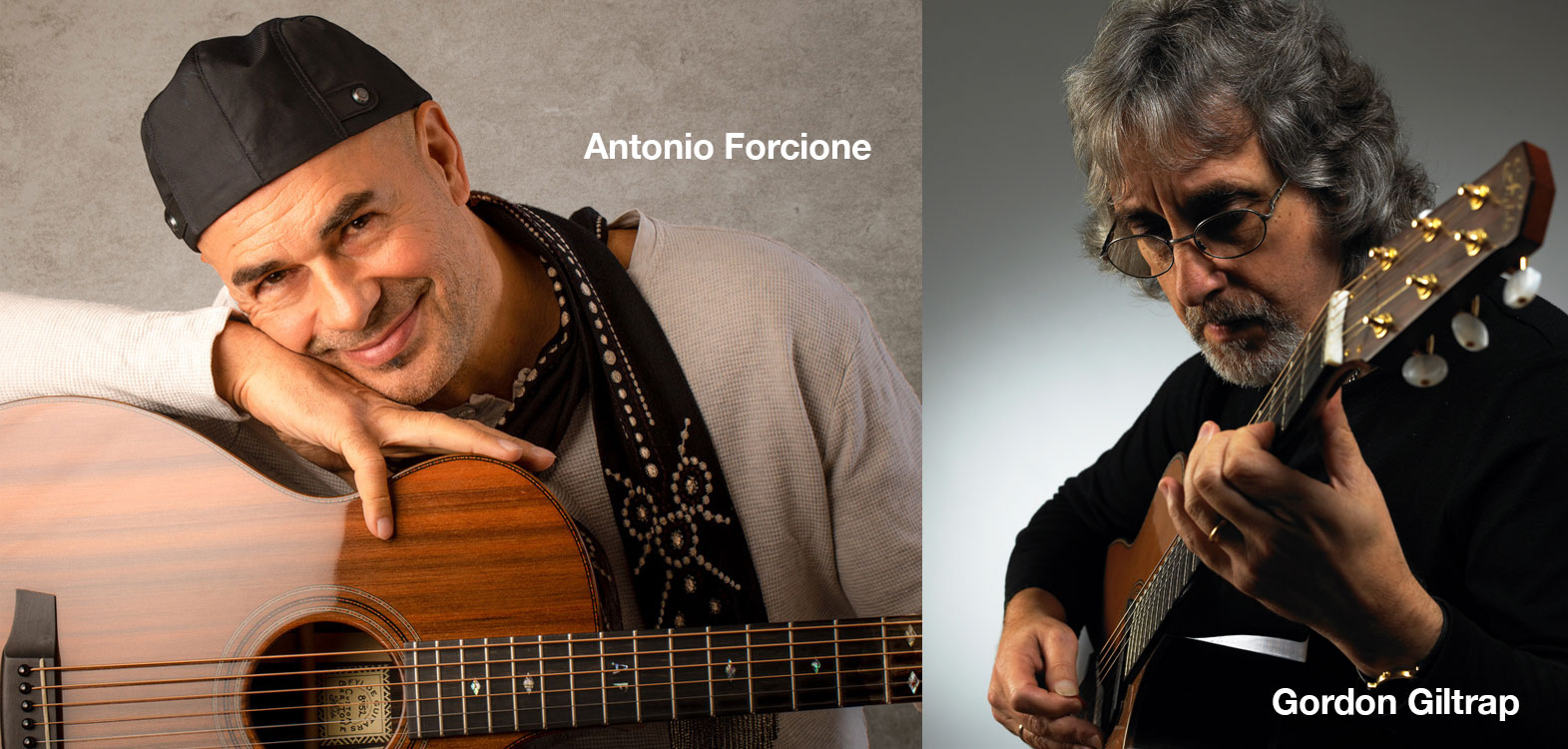





Roger Bucknall MBE

Alex Reay

Paul Ferrie

Moira Bucknall
The filename "IMG_1155" follows a rigid, linear logic established by the Design Rule for Camera File System (DCF). It is a placeholder, a digital "John Doe" assigned by an algorithm that cares nothing for the content of the frame. Whether the file contains a child’s first steps, a breathtaking sunset over the Pacific, or an accidental pocket-recording of a sidewalk, the operating system treats them with equal indifference. This anonymity creates a digital "lost and found" where thousands of people globally may have a file with the exact same name, yet each contains a radically different slice of human experience. The Burden of the Infinite
Ultimately, is a testament to the way we live now: documented, serialized, and stored in a format that is simultaneously accessible and invisible. It serves as a reminder that while our devices provide the tools to immortalize our lives, the true "solid" essay of our experiences is written not in the filenames we assign, but in the meaning we find when we finally press play.
Is there a for this video you'd like me to focus on—such as a specific viral trend, a school project, or a technical glitch you've encountered? AI responses may include mistakes. Learn more
In the vast architecture of the modern digital archive, few things are as ubiquitous or as anonymous as the standard file name. To the casual observer, is a non-entity—a string of characters and a file extension that signals a video captured on an iPhone or iPad. Yet, within this generic alphanumeric sequence lies a profound paradox of the 21st century: the tension between the infinite expansion of personal memory and the increasing clinicalization of its storage. The Architecture of Anonymity
There was a time when capturing moving images required intent. Film was expensive; tape was finite. Today, the ease of digital capture has led to what archivists call "digital hoarding." We record everything because we can. represents the 1,155th moment in a sequence that likely spans thousands more. In this context, the filename becomes a symbol of the "Disposable Memory" era. Because we record so much, the individual value of any single file is diluted. We keep the video not because it is vital, but because the cost of deleting it—and the potential regret of losing a memory—is higher than the negligible cost of cloud storage. The Mystery of the Unopened File

© 2025 Fylde Guitars. All Rights Reserved