Close this alert
Spoilers Direct
The Spoiler Paradox: Why We Hate Knowing (but Love the Journey)
While the word "spoiler" originally referred to a person who plunders (1530s) or an aerodynamic device on a car designed to "spoil" air turbulence (early 20th century), its modern media meaning was born in the 1970s. A History of Spoilers and their Relevance to Today Spoilers
In an age of instant streaming and social media, the term "spoiler" has become a central part of our cultural vocabulary. From the shock of a character's death in Game of Thrones to the twist ending of a psychological thriller, knowing too much can feel like a theft of the intended experience. Yet, despite our collective "spoiler anxiety," the history and psychology of spoilers reveal a much more complex relationship with the stories we love. The Origins: From Airflow to Plot Twists The Spoiler Paradox: Why We Hate Knowing (but
Other Books in Series

The Do-Over (The Miles High Club)
Paperback

The Takeover (The Miles High Club)
Paperback

The Casanova (The Miles High Club)
Paperback
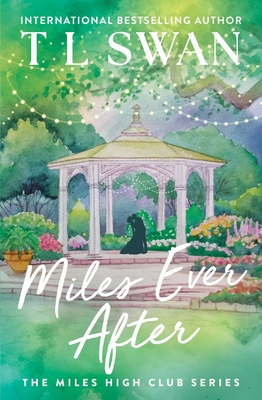
Miles Ever After (The Miles High Club)
Paperback
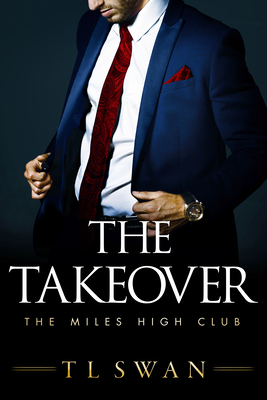
The Takeover (The Miles High Club #2)
Paperback
The Casanova (The Miles High Club #3)
Paperback
The Stopover (The Miles High Club #1)
Paperback

The Do-Over (The Miles High Club #4)
Paperback

The Takeover (The Miles High Club #2)
Compact Disc
The Takeover (The Miles High Club #2)
MP3 CD

The Stopover (The Miles High Club #1)
Compact Disc
The Stopover (The Miles High Club #1)
MP3 CD

The Casanova (The Miles High Club #3)
Compact Disc
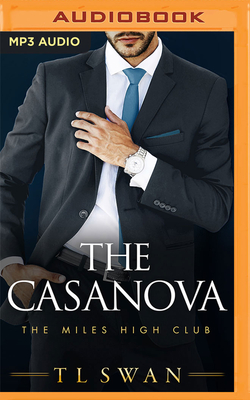
The Casanova (The Miles High Club #3)
MP3 CD

On My Mind (The Mile High Club #2)
Paperback

In My Heart (The Mile High Club #1)
Paperback

The Do-Over (The Miles High Club #4)
Compact Disc
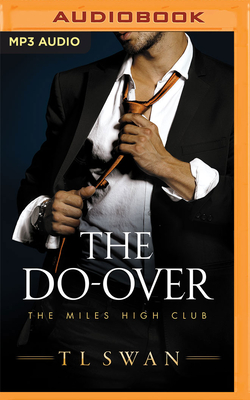
The Do-Over (The Miles High Club #4)
MP3 CD