Features Preview
See it in action.

Call anyone, anywhere
No cell minutes used
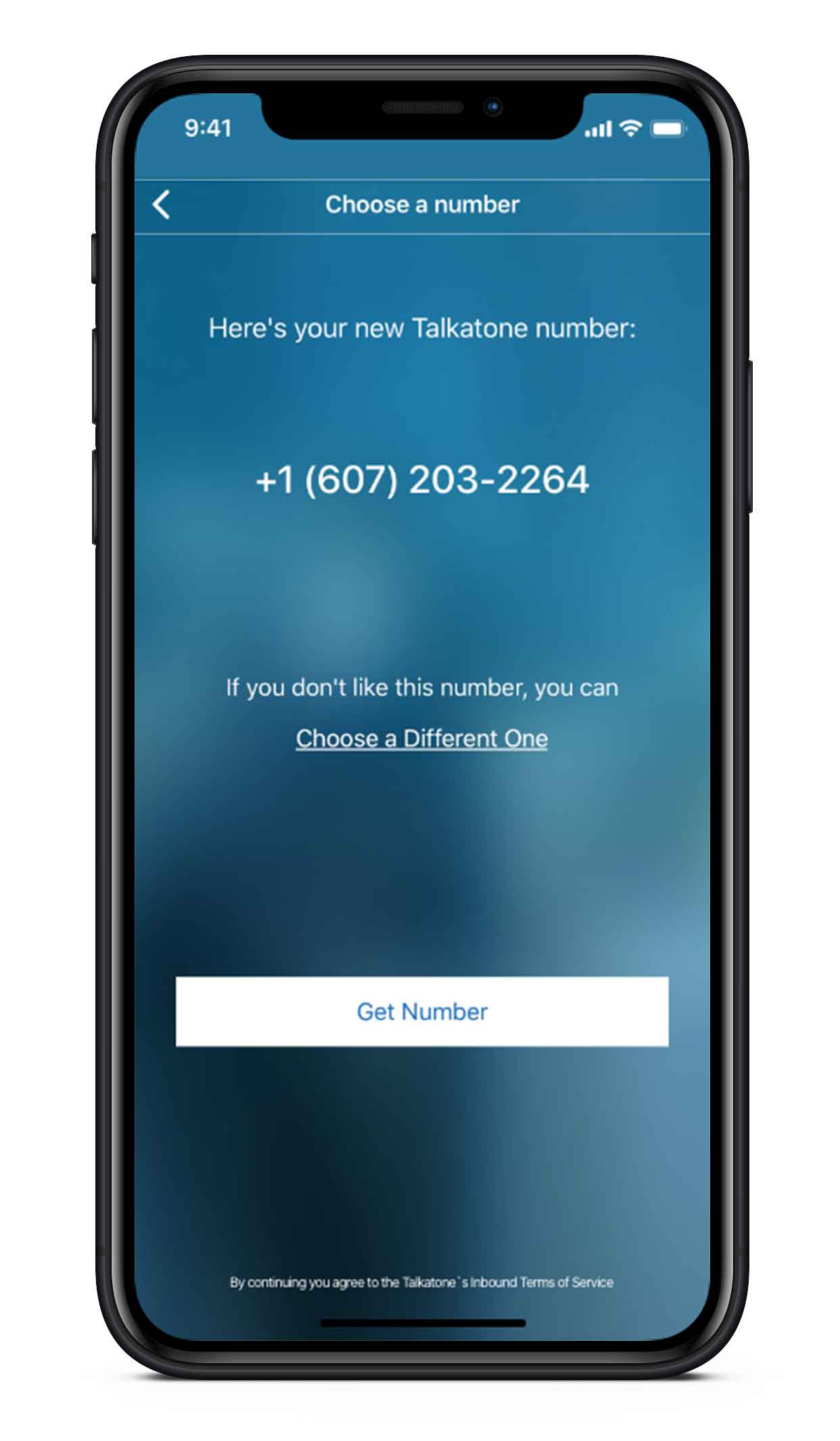
Get a US phone number
No charges, no fees
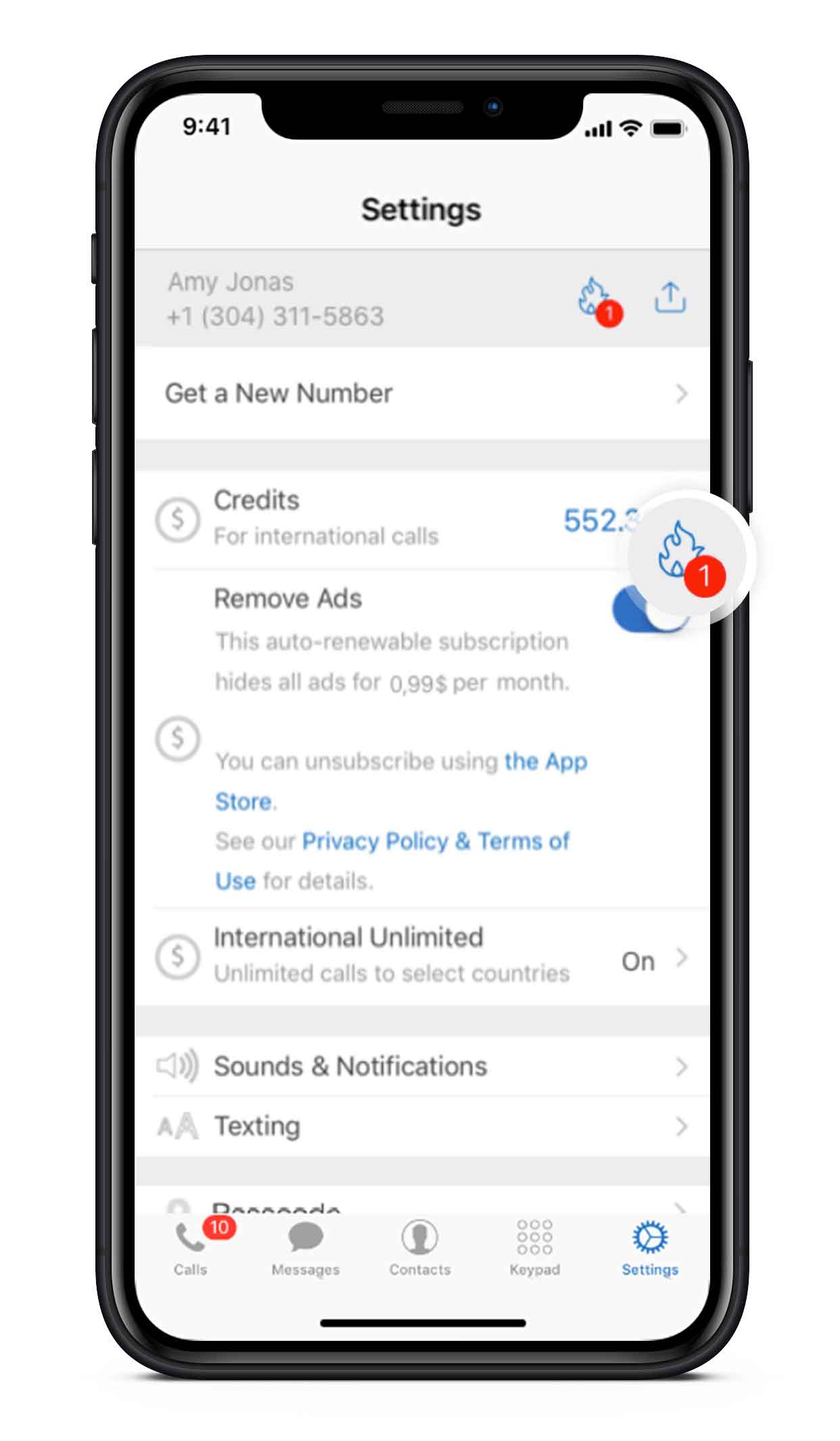
Change your number anytime
And keep your message and call history
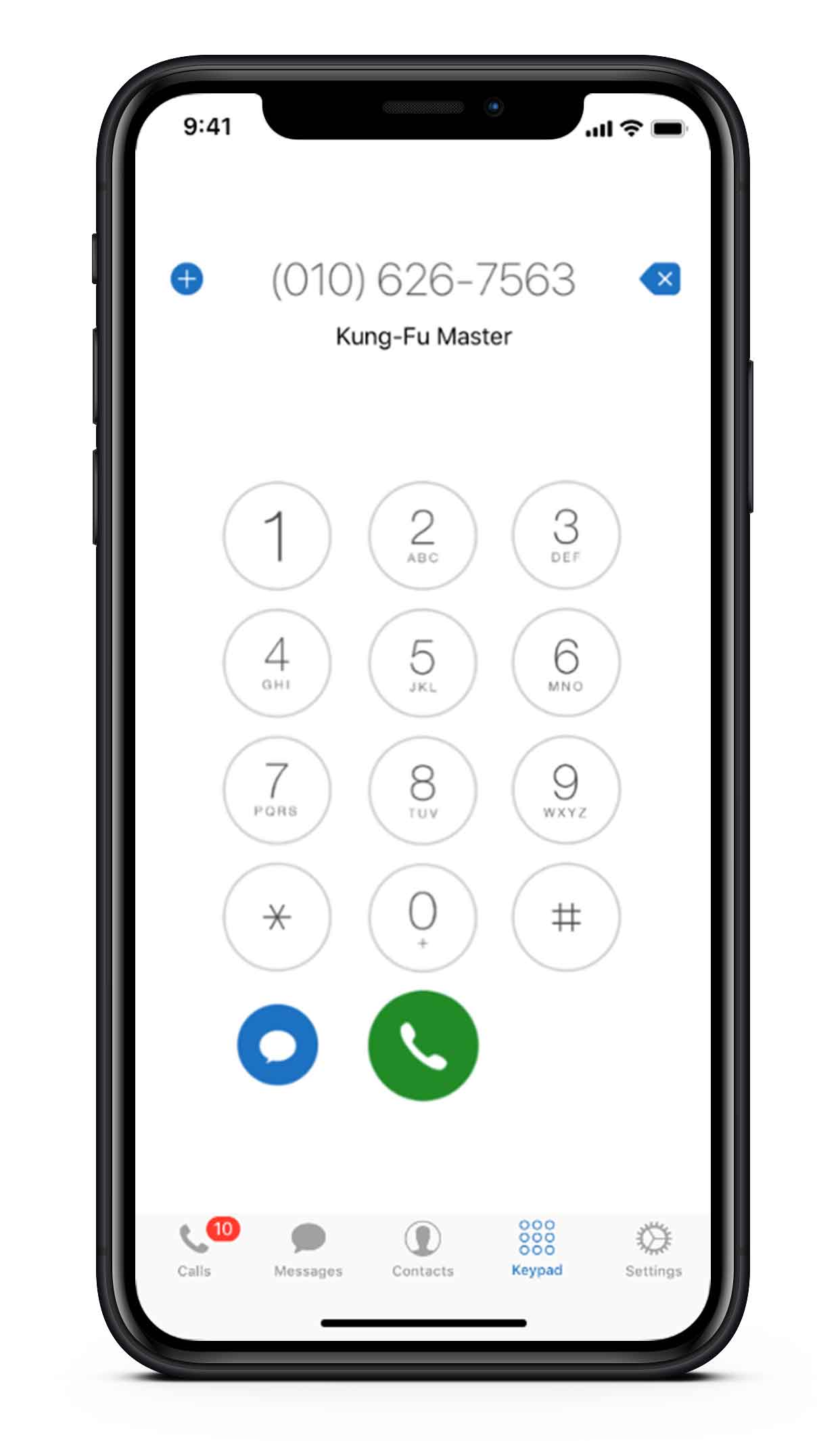
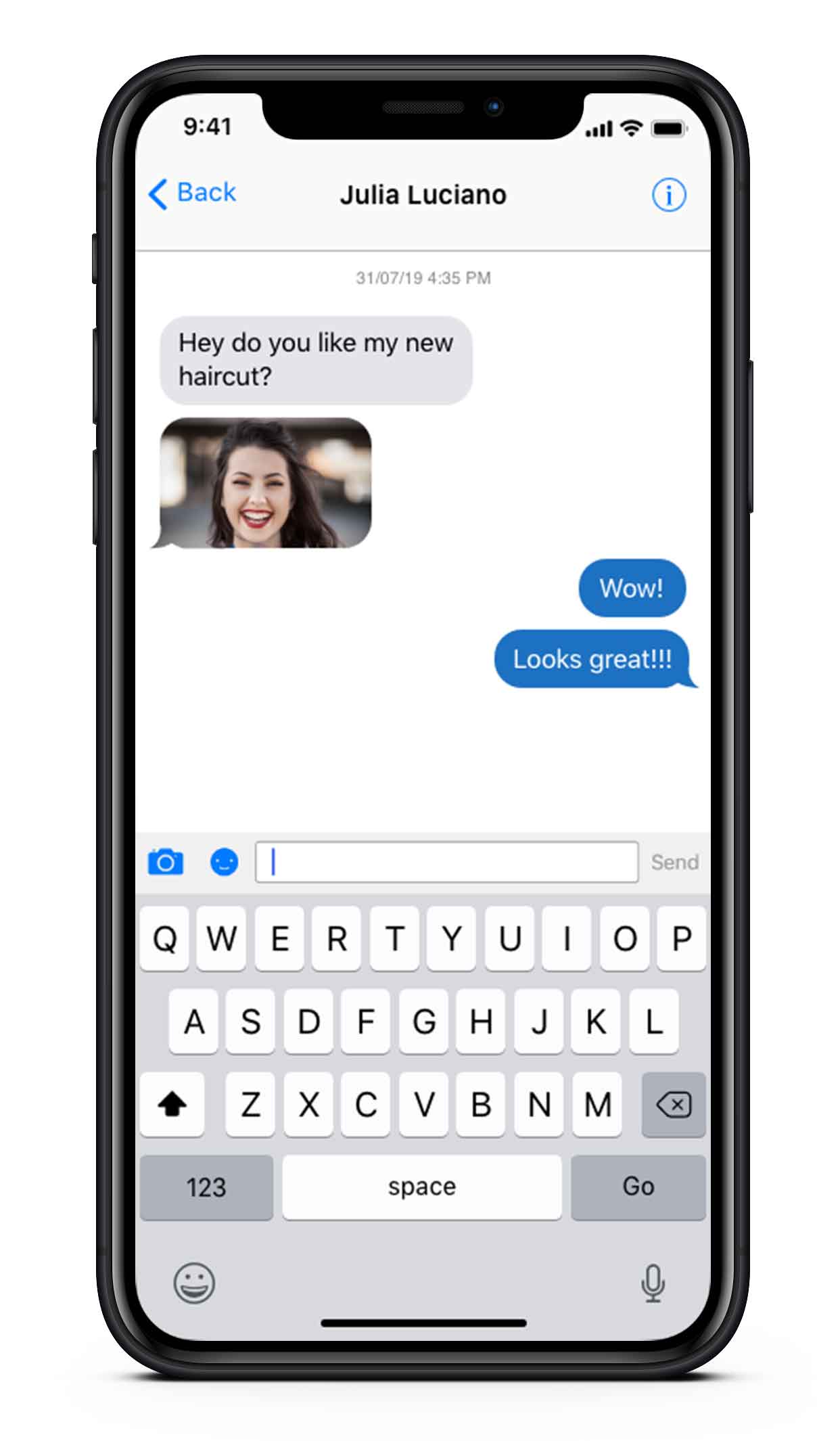
Calls and texts
To most US numbers
The calling app that let’s you choose your own free U.S. phone number. Make and receive free texts and calls to most U.S. phone numbers, including landlines.
Unlimited texting to U.S. phone numbers.
Call and text friends and family with Talkatone via WiFi or cell data; no cell minutes required. Turn your iPod or iPad into a phone (also available for Android).
Take your iPhone, iPad or iPod with you when you travel. Call and text U.S. phone numbers on WiFi without paying outrageous roaming charges.
Connect with your friends and family. Truly unlimited free Talkatone-to-Talkatone calls and texts anywhere in the world, including picture messaging.
Modern media often portrays the "teenage blonde" in more grounded, serious contexts—focusing on the internal struggles of adolescence, such as the pressures of education, mental health, and complex family dynamics.
Ultimately, while the "teenage blonde" remains a staple in pop culture, the "deep" essay version of this story is one of reclaiming agency. No longer just a two-dimensional stereotype, the modern portrayal emphasizes that hair color is incidental to a character’s depth, intelligence, and capacity for growth. teenage blonde
The concept of the "teenage blonde" is more than just a physical description; it is a powerful cultural archetype that has evolved significantly through history and media. This archetype often oscillates between two extremes: the innocent, sun-drenched ingenue and the "blonde bombshell". The Evolution of a Cultural Icon Modern media often portrays the "teenage blonde" in
In more recent decades, storytellers have worked to subvert these tropes, moving away from the "dumb blonde" or "helpless girl" narratives. The concept of the "teenage blonde" is more
Historically, the "teenage blonde" has been used in media to represent a specific, often narrow, model of femininity. In the 1930s, actresses like Ida Lupino began their careers as "teenage blonde ingenues," a role that emphasized youth and conventional beauty. By the mid-20th century, this evolved into a "cult of the blonde," where the image was used to symbolize a transition from experience back to a manufactured state of innocence and vulnerability. Characters like Gidget in the late 1950s became the standard-bearer for this "conventional teen femininity," often used as a tool to maintain specific societal roles for young women. Subverting the Stereotype
Talkatone is the best option to call and text for free to and from most US and Canadian phone numbers. By contrast, Skype, Viber and Facetime are only free if the recipient has also already installed the app. Download the app on App Store or Google play.